How to Build Skincare Routine That Works

Your skin usually tells the truth before your makeup does. If foundation starts catching on dry patches, your glow disappears by lunchtime, or your complexion feels tight after cleansing, the issue often is not makeup at all - it is the routine underneath it. Knowing how to build skincare routine that actually suits your skin can make the difference between chasing problems and seeing real, visible improvement.
The best routine is not the longest one, and it is rarely the trendiest. It is the one you will use consistently, with formulas that match your skin’s real needs rather than a viral promise. For most women, especially if skin is becoming drier, more reactive or showing signs of ageing, a smart routine should support hydration, firmness, brightness and barrier health without feeling complicated.
How to build skincare routine from your skin concerns
Start with what you want to improve, not with a shelf full of products. That sounds obvious, but it is where most routines go off course. If your main concern is dehydration, you need a very different approach than someone dealing with congestion, sensitivity or pigmentation.
A good routine usually targets one or two priorities at a time. If you try to correct wrinkles, dullness, breakouts, redness and dark spots all at once, you can easily irritate the skin and lose sight of what is helping. Mature skin, in particular, tends to respond better to consistency and support than to aggressive over-treatment.
Think in clear categories. You may want more hydration and a smoother texture. You may need to soften the look of fine lines while keeping sensitivity calm. You may be focused on maintaining a fresh, even complexion that sits beautifully under makeup. Once you know your goal, building the routine becomes far simpler.
The four steps every routine needs
No matter your age or skin type, every effective routine needs a cleanser, a treatment step, a moisturiser and daytime sun protection. Everything else is optional.
1. Cleanser
Cleansing should remove makeup, sunscreen, oil and daily buildup without leaving skin squeaky or stripped. That tight, overly clean feeling is not a sign of success. It often means your barrier is under stress.
If you wear long-wear makeup or SPF, a more thorough evening cleanse matters. In the morning, many people do well with a gentler cleanse. Dry or mature skin usually prefers creamy or low-foam formulas, while oilier skin may enjoy a gel texture. The trick is not choosing the strongest cleanser. It is choosing one that leaves your skin comfortable.
2. Treatment
This is the step that does the heavy lifting. Serums and targeted treatments are where you address hydration, brightness, wrinkles, uneven tone or blemishes.
If your skin is feeling flat, dehydrated or tired, start with hydrating ingredients. If your concern is visible ageing, look for ingredients that support smoother, firmer-looking skin over time. If your skin is reactive, barrier-supporting formulas often do more for your glow than strong actives ever will.
This is also where restraint matters. One excellent treatment used consistently will usually outperform three trendy serums layered in hope.
3. Moisturiser
Moisturiser seals in hydration and supports the skin barrier. It is not only for dry skin. Oily skin still needs moisture, just often in a lighter texture.
For mature skin, a richer moisturiser can make a visible difference because it cushions the skin and helps reduce that crepey, tired look. During warmer months, you may prefer something lighter. During winter, or if you are using active ingredients, your skin may need more comfort and replenishment.
4. SPF in the morning
If you want results from skincare, daily SPF is non-negotiable. It protects the progress you are making and helps prevent more visible pigmentation, uneven texture and premature ageing.
This is the step people skip when they say skincare is not working. You cannot invest in brightening, smoothing or firming products at night and leave your skin exposed during the day. A beautiful routine protects as well as treats.
How to build skincare routine for morning and night
Your morning routine should focus on protection and comfort. Your evening routine should focus on cleansing and correction.
In the morning, keep things streamlined. Cleanse if needed, apply your treatment or hydrating serum, follow with moisturiser, then finish with SPF. If you wear makeup, this approach creates a smoother base and helps your complexion products sit better and last longer.
At night, take more care with cleansing, especially if you wear makeup or sunscreen. Then use your treatment step, followed by moisturiser. This is the time for richer formulas and more active products, because your skin is in repair mode while you sleep.
If you are only just beginning, do not introduce every product at once. Add one new treatment, use it consistently for a couple of weeks, then assess. Skin likes rhythm.
Match your routine to your skin type - but do not stop there
Skin type matters, but skin condition matters just as much. You may have combination skin that is suddenly dehydrated. You may have dry skin that is also prone to breakouts. You may have oily skin that becomes sensitive with stronger products.
That is why the best routines are adjusted, not blindly copied. If your skin feels shiny but tight, treat the dehydration first. If your skin is flaky and congested, stripping it will often make things worse. If your skin is mature, remember that comfort, elasticity and radiance deserve as much attention as blemishes or pores.
This is where curated skincare kits and routine finders can be genuinely useful. They take the guesswork out of pairing products that work well together, which is often the fastest way to build confidence in your routine.
Common mistakes when building a routine
The biggest mistake is doing too much too quickly. Skin does not reward panic. It rewards consistency.
Another common problem is chasing strength over suitability. A stronger exfoliant, richer cream or more active serum is not automatically better. If a product compromises your barrier, everything else becomes harder - sensitivity increases, makeup sits poorly and your skin can look less luminous, not more.
Then there is inconsistency. A routine only works if you actually use it. If a 10-step ritual feels glamorous for three nights and then becomes a chore, it is not the right routine for real life. Luxury should feel effective, not exhausting.
When to add extras
Once your basics are working, you can consider extras like exfoliants, masks or eye treatments. These can elevate results, but only when your foundation routine is already strong.
Exfoliation can improve radiance and texture, but too much can leave skin reactive and thin-looking. Masks can be brilliant before an event or when skin needs a hydration boost, but they should not compensate for a weak daily routine. Eye products can be worthwhile if puffiness, fine lines or dryness around the eyes is a major concern, though a good moisturiser often helps more than people expect.
If you are adding extras, add them one at a time. That way you can tell what your skin loves and what it would rather leave on the shelf.
What results should you expect?
Some benefits show up quickly. Better cleansing and hydration can make skin look fresher within days. Makeup can apply more evenly, and tightness can ease fast.
Other changes take longer. Brightening uneven tone, softening the appearance of lines and improving overall skin quality usually take several weeks of consistent use. That is normal. Good skincare is not instant magic. It is a steady build.
The encouraging part is that when your routine is right, your skin often starts looking better before it looks dramatically different. It appears calmer, smoother and more rested. That kind of result is not flashy, but it is powerful.
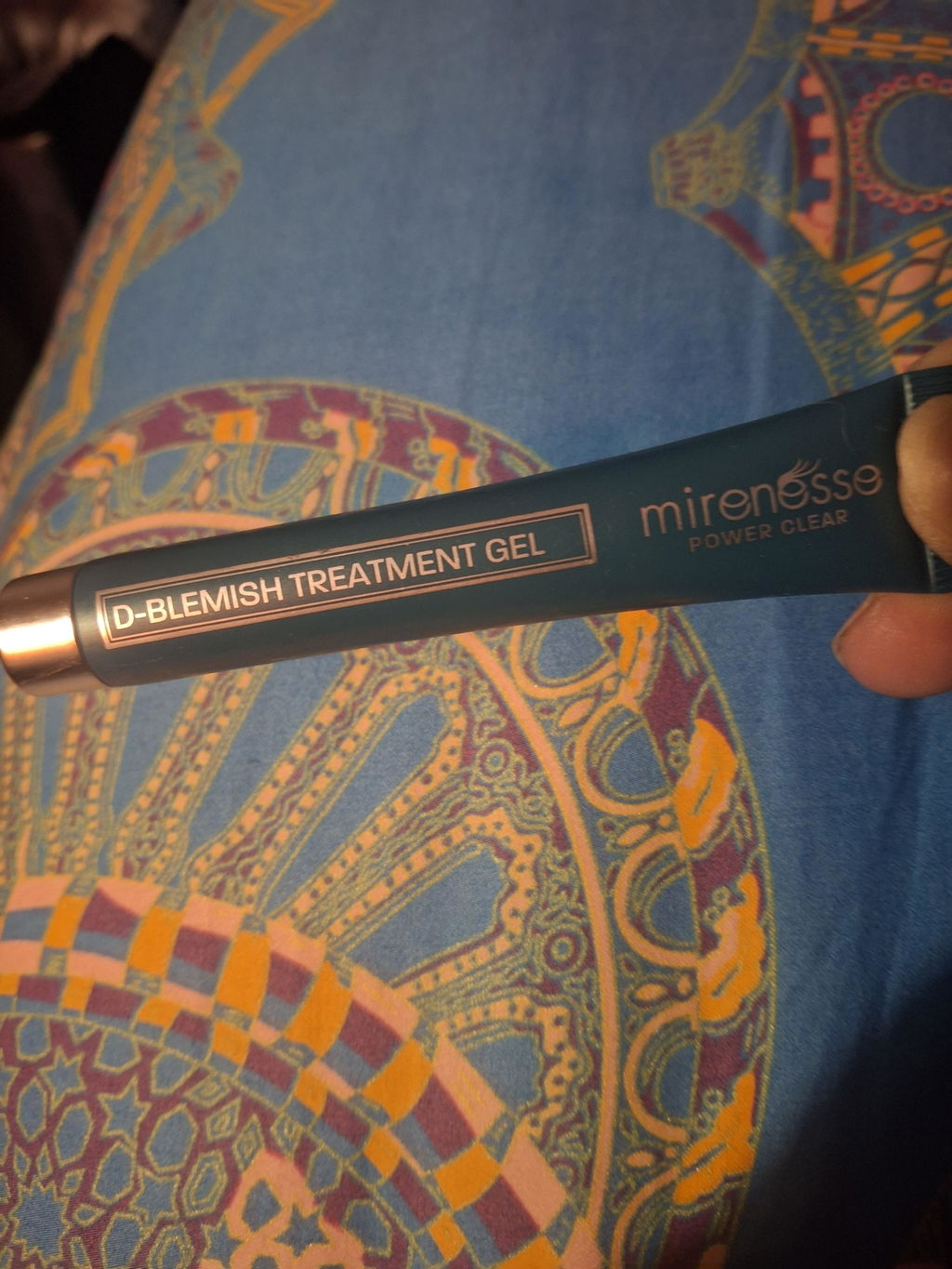
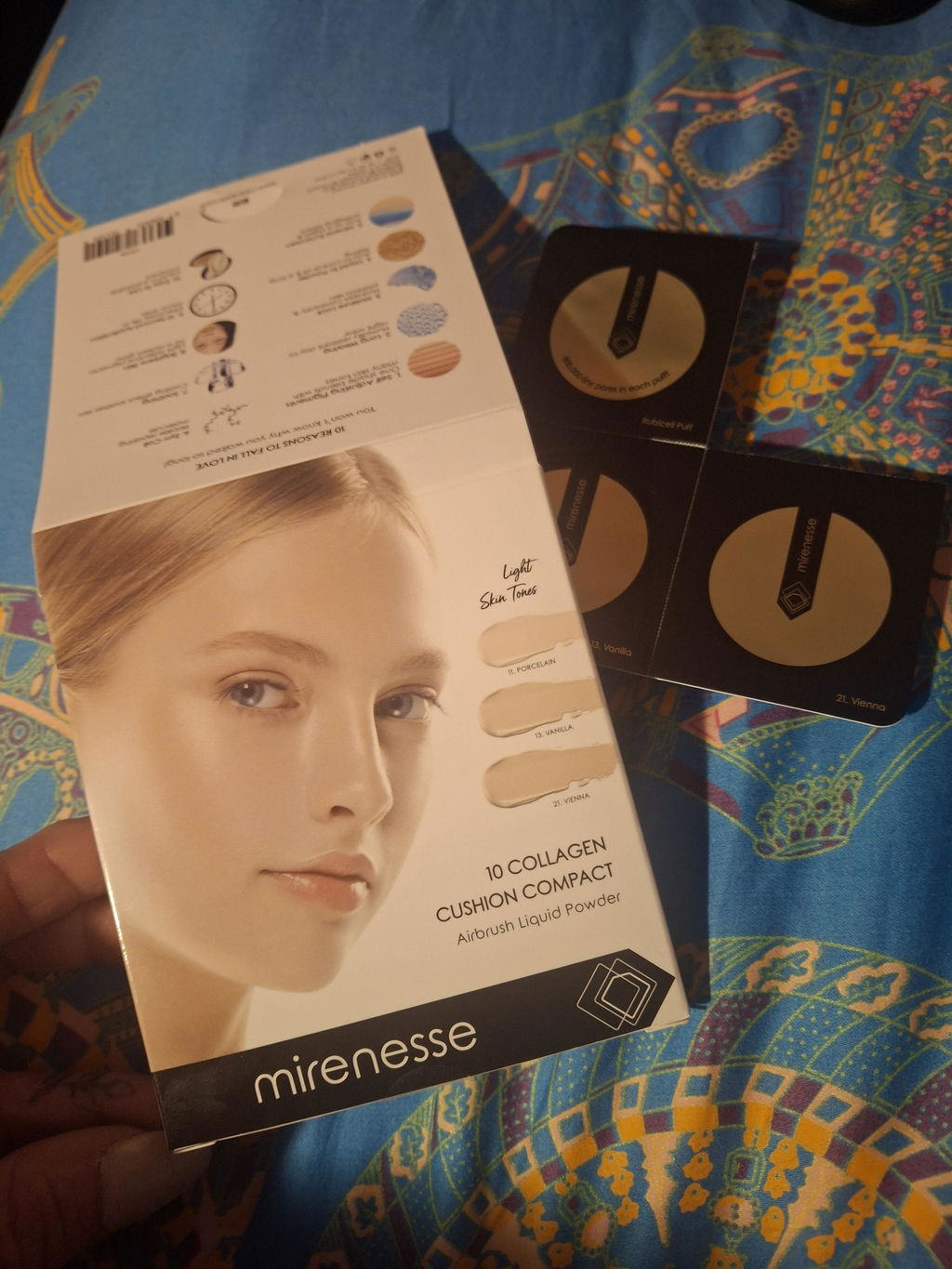
For women who want high-performance results without a complicated bathroom shelf, a cleaner, treatment-led approach is often the smartest move. Brands like Mirenesse have built loyal followings around exactly that idea - premium formulas, real concerns, and routines that work in real life.
If you are still wondering how to build skincare routine that suits you, keep it simple: choose products for your actual concerns, give them time, and let your skin show you what is working. The most beautiful routine is not the one with the most steps. It is the one that makes you look in the mirror and feel quietly, confidently pleased with what you see.