Serum Foundation vs Matte Foundation for Your Skin
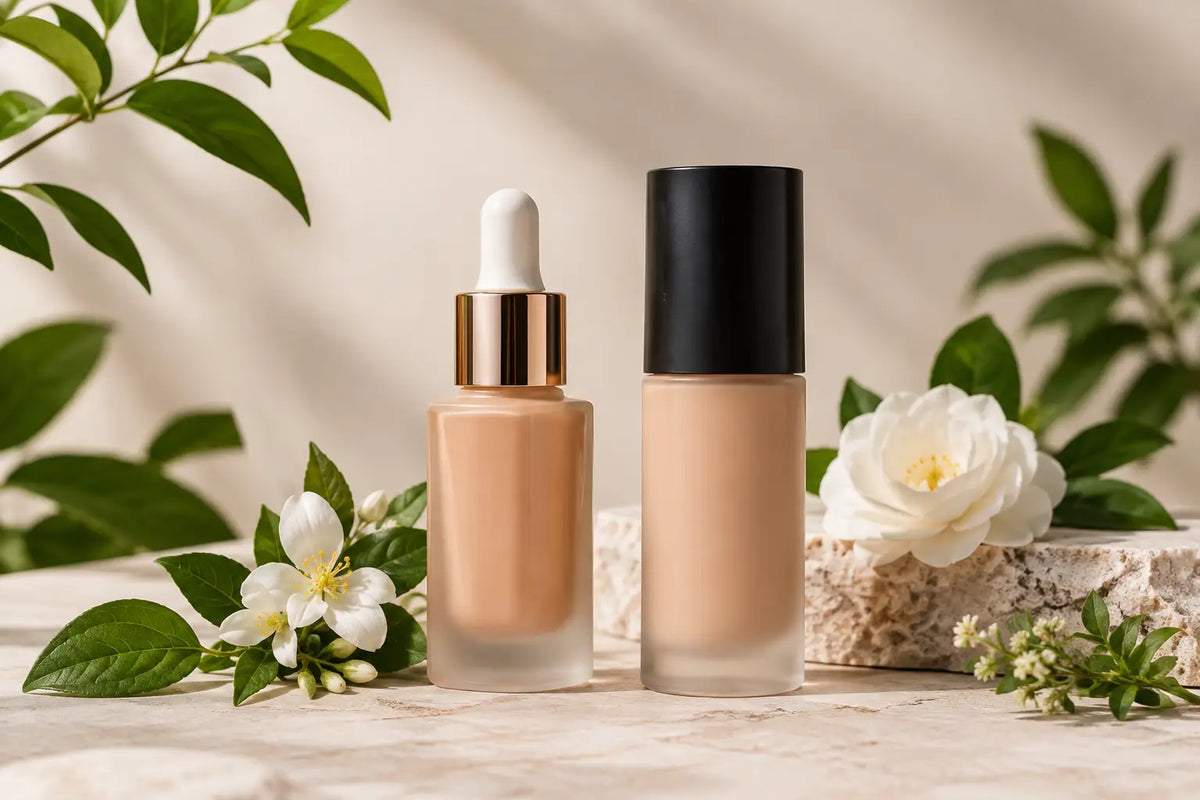
A foundation that settles into fine lines by morning tea is not a flawless base, no matter how full the coverage looked in the bathroom mirror. The serum foundation vs matte foundation question matters because the finish you choose can change how your skin looks, feels and wears from first application to last plans.
For dry, dehydrated or mature skin, a fluid, skin-loving base can bring back the look of bounce and freshness. For shine-prone complexions or long days in humidity, a soft matte foundation can offer the polish and staying power you want. Neither is automatically better. The winning formula is the one that works with your skin, not against it.
Serum Foundation vs Matte Foundation: The Real Difference
Serum foundation is usually a lightweight liquid base with a more fluid texture and a radiant, natural or satin finish. It is designed to spread easily, often delivering sheer-to-buildable coverage that lets your real skin show through. Many formulas pair complexion pigments with hydrating, conditioning ingredients, making them especially appealing when skin feels tight, dull or uneven.
Matte foundation is made to reduce visible shine and create a velvety, more perfected finish. It commonly offers medium to full coverage, although modern matte formulas can still feel light on the face. Rather than reflecting light across the complexion, it diffuses it, helping pores, redness and texture appear more blurred.
The difference is not simply glow versus no glow. A good serum foundation can still offer meaningful coverage, and a beautifully formulated matte base need not look flat or heavy. The key is how each formula behaves on your skin through a real day - air conditioning, a warm commute, meetings, lunch and everything after.
Choose Serum Foundation When Skin Needs Freshness
Serum foundation is often the more forgiving choice when your complexion leans dry, dehydrated or mature. As skin changes, it can produce less natural oil and hold less water, which makes powdery finishes more likely to catch around expression lines. A fluid formula can glide over those areas and leave the complexion looking more comfortable.
It is also ideal when you want makeup that looks like skin, only more even. Think a relaxed weekend, a polished workday, or any moment when a luminous finish feels right. Apply a small amount from the centre of the face and blend outward with clean fingers, a brush or a damp sponge. Start sparingly, then add coverage only where redness, pigmentation or uneven tone need it.
There is a trade-off. A glowing, serum-like base may need light setting through the T-zone if you become shiny there, particularly in an Australian summer. That does not mean setting your whole face until the radiance disappears. Press a finely milled powder only where you need extra wear, while leaving the cheeks looking alive.
What serum foundation can do well
The right serum base can soften the look of dryness, make uneven texture less obvious and give mature skin a smoother-looking finish without a mask-like effect. It can also be a smart choice for anyone who dislikes the feeling of traditional full-coverage foundation.
But do not assume the word serum means it replaces skincare. Your moisturiser, targeted treatment and daytime SPF still come first. Let skincare settle for a few minutes before makeup, especially if your base tends to move or pill. Foundation should enhance the work of your routine, not compensate for a rushed one.
Choose Matte Foundation When You Want More Control
Matte foundation earns its place when you want your complexion to stay polished and balanced for hours. If oiliness breaks through quickly, if your makeup tends to slide around the nose and chin, or if you prefer a more perfected look in photographs, matte can be your secret weapon.
Modern matte formulas are particularly useful for combination skin. They help manage oil where it appears most, while offering enough coverage to blur post-blemish marks, visible pores and uneven tone. The best finish is soft matte, not chalky matte: skin should look smooth and refined, never stripped of dimension.
Preparation makes all the difference. Even oily skin needs hydration. Apply a lightweight moisturiser, allow it to absorb, then use a small amount of foundation and build only where necessary. Over-applying matte base is what can turn a beautiful velvet finish into makeup that gathers around the nose, mouth and eyes.
Matte foundation and mature skin
Mature skin can absolutely wear matte foundation. The outdated rule that mature skin must only wear luminous makeup overlooks the fact that many people want less shine, longer wear and more coverage. The difference lies in formula, skin preparation and placement.
Choose a flexible, comfortable matte texture rather than an ultra-drying, powder-heavy formula. Keep the application light around the eyes and smile lines, then reserve extra coverage for the centre of the face, pigmentation or redness. Add cream blush or a soft illuminating product high on the cheekbones if you want to restore a little light without creating overall shine.
Match the Finish to Your Skin, Not a Trend
Viral beauty looks can make one finish seem essential, but your skin’s needs can vary from season to season and even across different areas of your face. You may be dry on the cheeks, oily through the T-zone and prone to redness around the nose. In that case, choosing one finish for every part of your complexion may not give you the most flattering result.
A hybrid approach works beautifully. Wear serum foundation as your main base for comfort and natural luminosity, then lightly set the centre of the face. Or use a soft matte foundation in a thin layer, then bring dimension back with creamy colour on the cheeks. Makeup is not a rulebook. It is a tool for making your complexion look like its best-rested self.
Your desired coverage matters too. Serum foundations often suit a sheer, flexible finish, while matte foundations can make it easier to achieve medium or fuller coverage. If you want to cover pigmentation without piling on product, spot conceal after foundation rather than adding another thick layer across your entire face.
How to Make Either Foundation Look Better
Shade matching comes before finish. A perfect formula in the wrong undertone will always look less convincing than a lighter-coverage base that melts into your neck and chest. Check your shade in natural daylight, and remember that your complexion may deepen slightly through warmer months.
Application tools change the result. Fingers warm and sheer out serum foundation for an effortless look. A dense brush gives either formula more coverage and polish. A damp sponge presses product into the skin and can soften the appearance of excess foundation if you have applied too much.
Give yourself permission to adjust. If serum foundation fades too quickly, use a gripping primer only where needed and set strategically. If matte foundation looks dry, reduce the amount, switch to a more hydrating moisturiser underneath or press a tiny amount of facial oil onto high points before application. Small changes can deliver far better results than abandoning a formula after one disappointing wear.
Mirenesse has built its reputation on problem-solving beauty, and that is the most useful way to choose your base: identify the concern you want to solve first. Is it dehydration, shine, redness, pores, pigmentation or foundation that vanishes by lunchtime? Your answer points you towards the finish that will make a genuine difference.
The most flattering foundation is not the one labelled as the latest must-have. It is the one that lets you catch your reflection at the end of the day and still feel like yourself - fresh, polished and confidently luminous on your own terms.